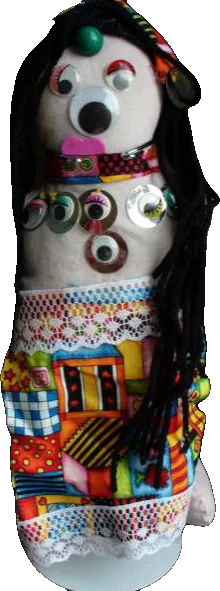
A doll can tell a story words alone cannot.
Women living with HIV/AIDS and bleeding disorders, and survivors of violence, share their stories through handmade dolls. Stitches brings those voices to others through this collection, workshops, and traveling exhibits.
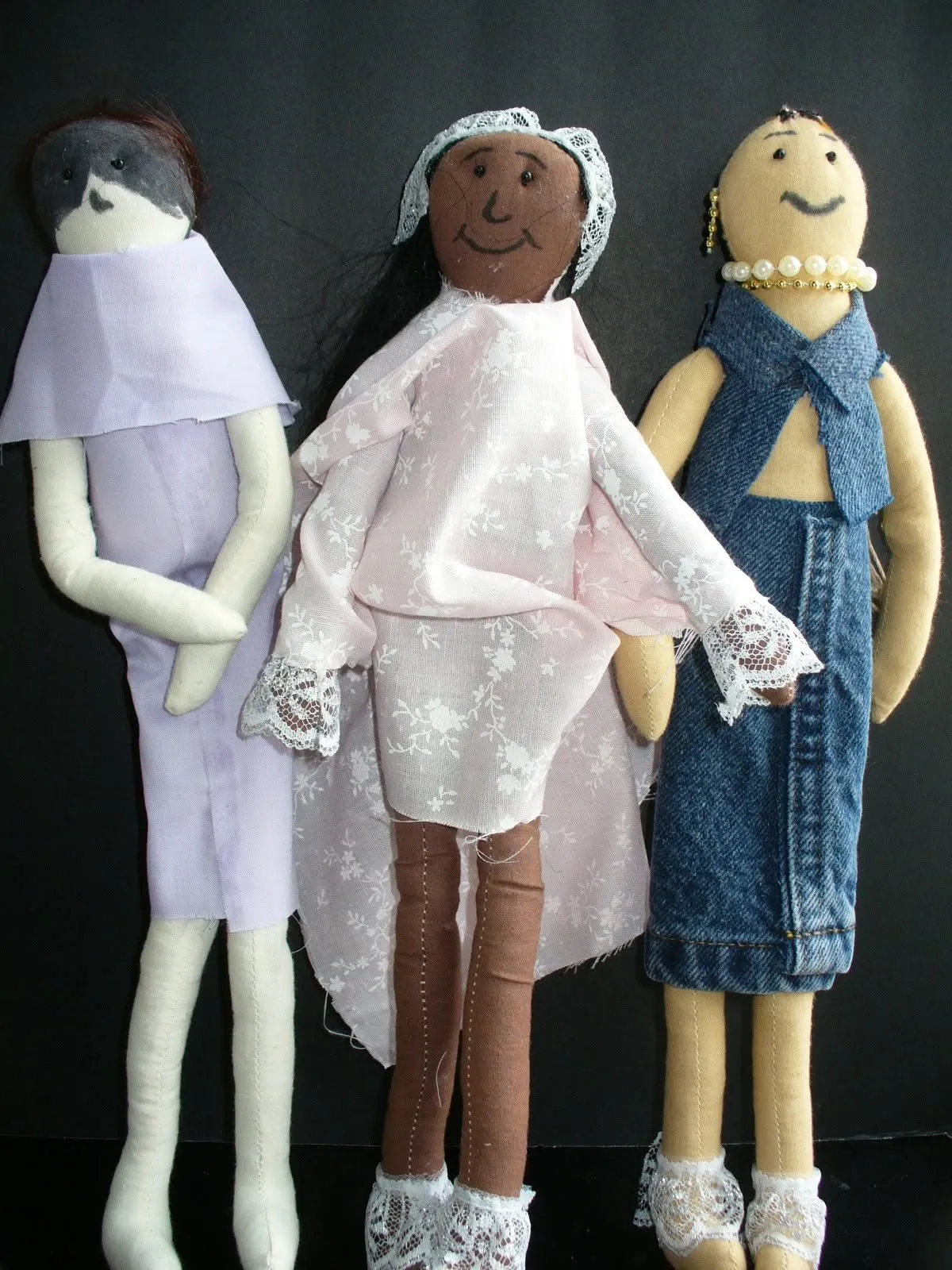
The question behind every doll
If your doll could talk,
what would she say?
Preserving women’s voices since 1999.
Our stories, shared further
- TheBody — The Stitches Doll Project: Preserving the Stories of Women Living With HIV for Over 20 Years (opens in a new tab)
- Beyond the Bleeds — Healing and Advocacy Through the Stitches Doll Project, with Kathleen Gerus-Darbison (opens in a new tab)
- The Qualitative Report — Managing Illness through Creative Engagement: Women, HIV, and the Stitches Doll Project (opens in a new tab)
- LUX Infusion — Stories in Every Stitch: The Journey of the Stitches Doll Project (opens in a new tab)
Different lives.
A shared way to be heard.
Meet the dolls, and the people behind them. Each one holds a story told in its maker’s own words.
A few voices from
around the world
Dolls made around the world
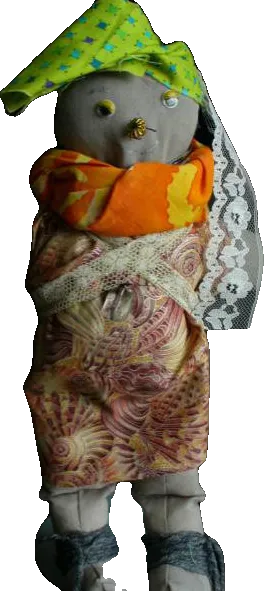
Creation
“My name is Creation, I may create life too many, I create love amongst the world. I want people to love one another as we were created to do.”
Read her story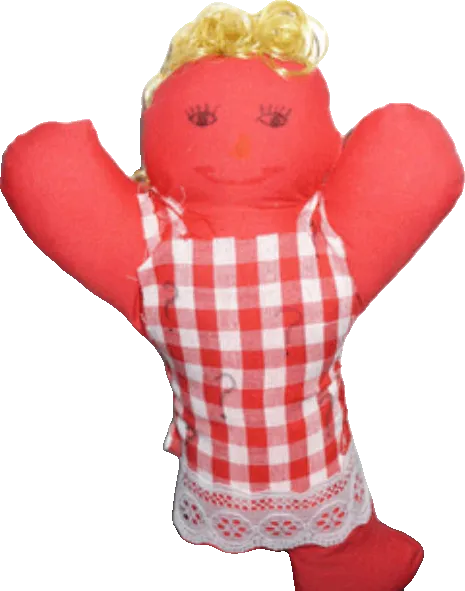
Sunshine
“For years and years there were always dark clouds, but the sun will shine and answers will prevail.”
Read her story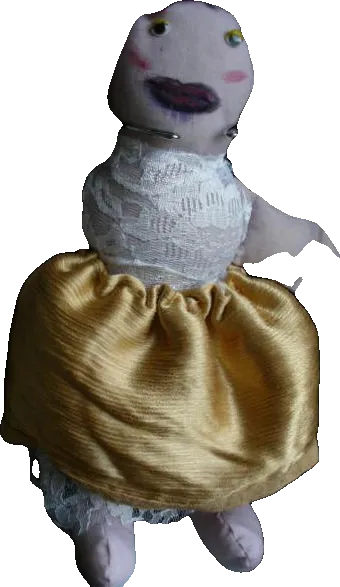
Bella
“Today I'm a better person because of my experiences because I found God, Love and Support.”
Read her story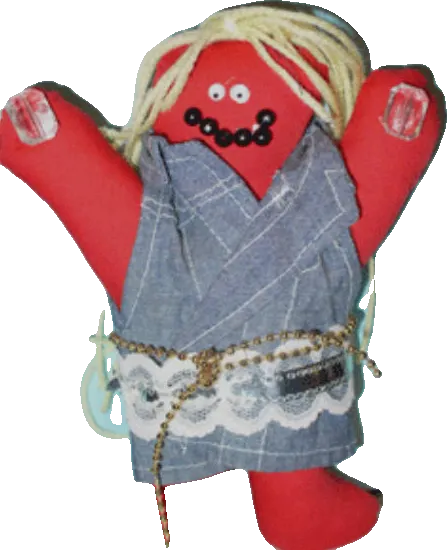
Keep Your Head Up
“It's not about the amount of breaths you take it's about the moments that take your breath away. Don't forget to always keep your head up.”
Read her story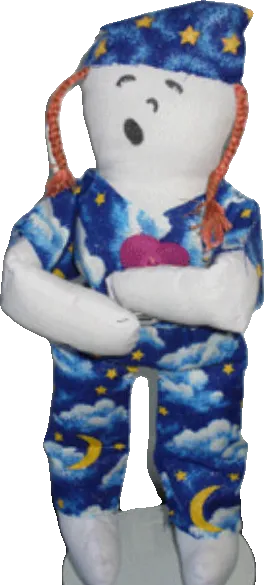
Innocence
“Don't we all sometimes wish we could go back to the time when we were kids, sound asleep in bed, without a care in the world?”
Read her story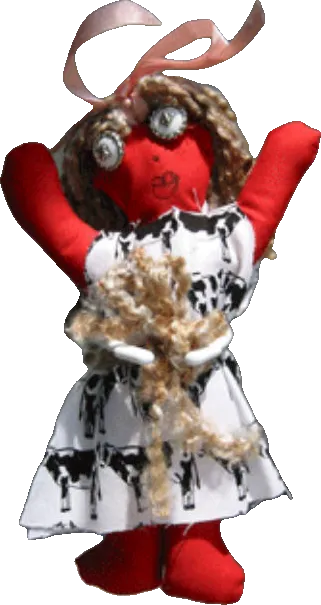
A little fabric.
A story only you can tell.
There’s no one way to make a doll. What matters is what you want her to say.
Make it your own
Start with a plain cloth doll, at home or at a workshop. Add fabric, paint, beads, or anything that feels like you.
Give your doll a voice
Write what your doll would say. Send her with your story and the submission forms to join the collection.
Let your story travel
The dolls and their words reach others through this archive and exhibits in conferences, classrooms, and communities.
If your doll could talk, what would she say?
The question behind every doll.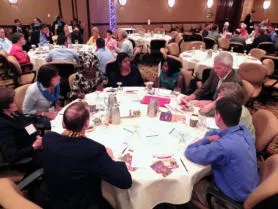
Three programs.
Many ways to be heard.
Our ongoing programs bring doll-making and storytelling to three communities, with room for each person’s own experience.
Women living with HIV
Stitches
A place for women to share their experiences of HIV, challenge stigma, and help others understand.
Meet the dollsBleeding Disorders
ClotNot Club
Bleeding disorders in women are often misdiagnosed due to a lack of accurate information. These dolls speak to accessing proper medical care and patient education.
Meet the dollsSurvivors of violence
Victory Against Violence
Space for women who have experienced domestic or sexual violence to tell their stories.
Meet the dolls
Have another community in mind? Talk with Kathy about a workshop tailored to your group.
Meet Kathy.
She’s been listening
since 1999.
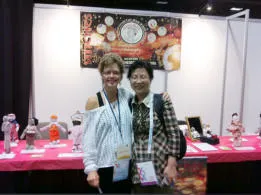
Kathleen Gerus-Darbison started Stitches to preserve the stories of women living with HIV, and to help others learn from their lives.
That idea grew into a collection reaching beyond HIV to other experiences too often overlooked. Kathy continues to care for the dolls and bring their stories to communities through workshops, exhibits, and speaking engagements.
About Kathy and the project“A gift that others
Kathy, on what the dolls make possible
can learn from.”
Help keep the dolls speaking
Give money or sewing materials, add your own story, or bring the dolls to your community. There’s more than one way to be part of Stitches.